
Inform and inspire your next study.
A showcase of analyses our research team built in Lens — biomarker discovery, outcomes research, and translational work across oncology. Explore them to inspire new approaches you can take with Lens.
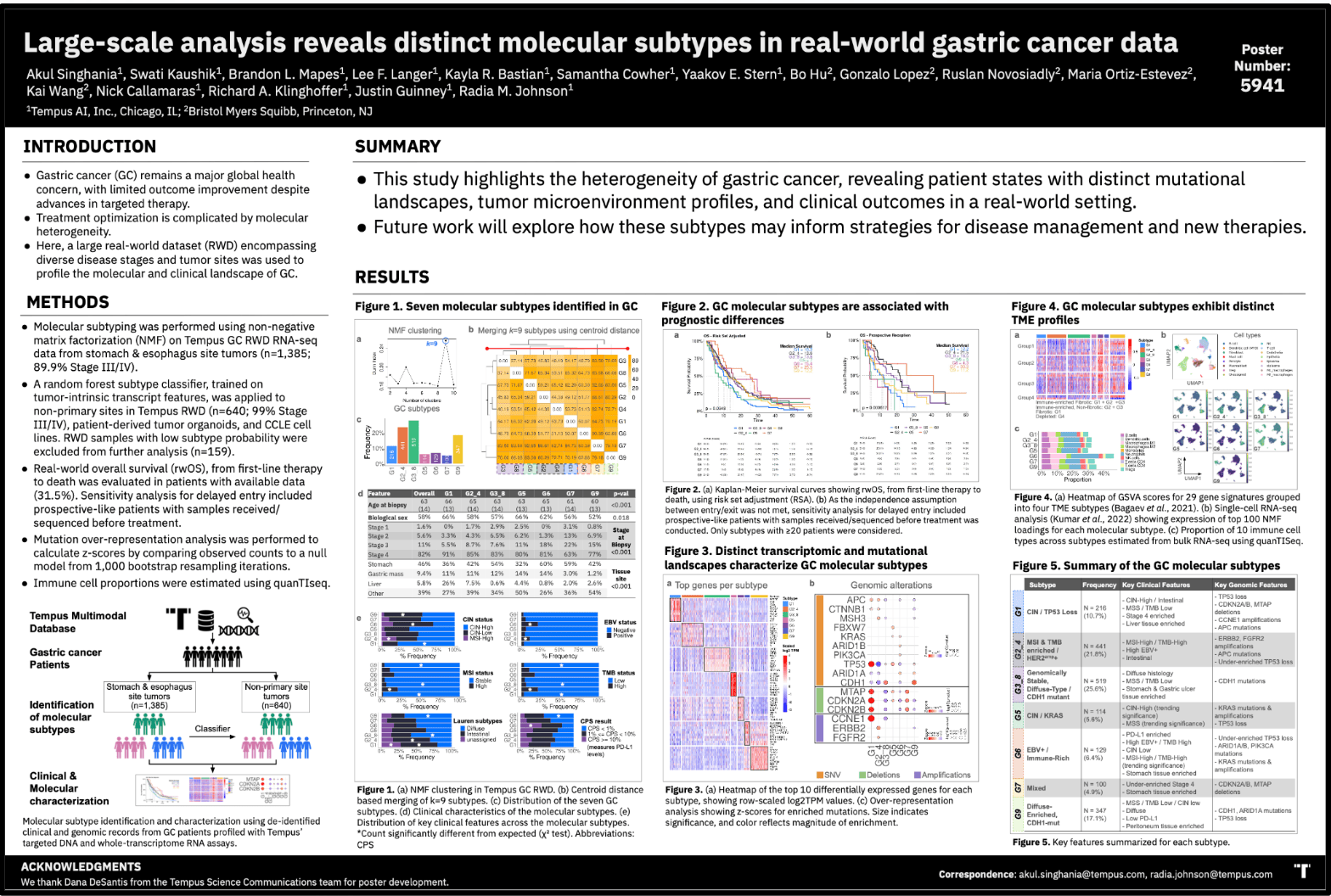
Explore the libraryUncovering novel subtypes: a live AI demonstration in Lens.
Our research team presented this poster at AACR 2026, with the entire analysis run in Lens. The video walks through the exact workflow. Customers can reproduce the same analysis on their own cohorts in minutes.
More demonstrations from our team.
Analyses our research team ran in Lens across oncology indications and biomarkers. Each card opens the full write-up on tempus.com.
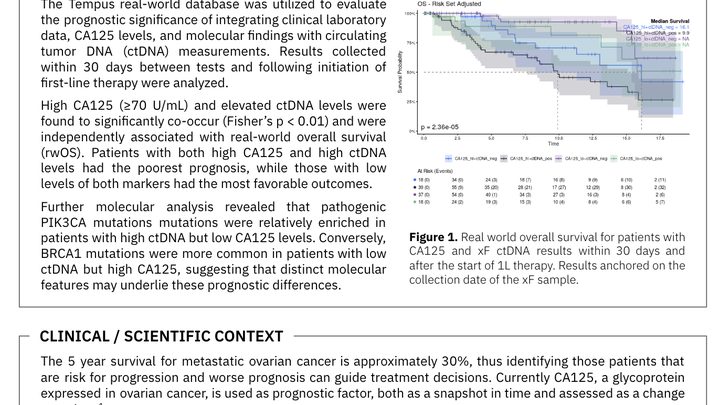
Integrating CA125 and ctDNA to enhance prognostic precision in ovarian cancer
Combined clinical and molecular markers provide superior prognostic value in ovarian cancer.
View analysis →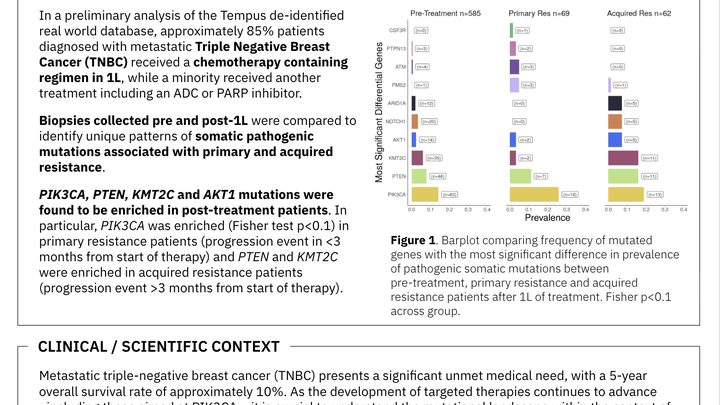
Mutational profiles and treatment resistance in metastatic TNBC
Tempus Lens analysis identifies genomic markers of chemotherapy resistance in TNBC patients.
View analysis →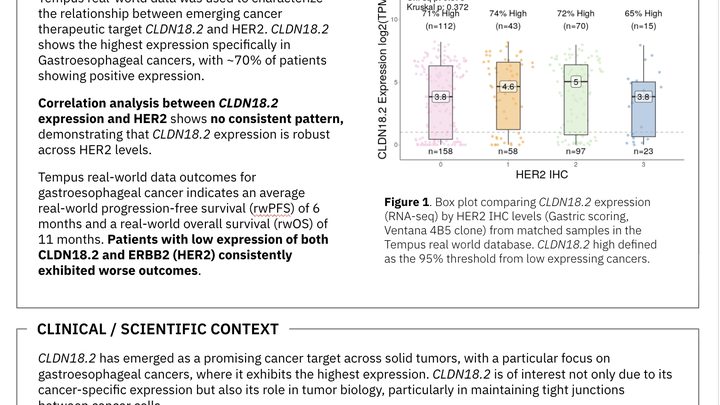
Characterizing CLDN18.2 and HER2 expression in gastroesophageal cancer
Tempus RWD reveals CLDN18.2 and HER2 are independent biomarkers in gastroesophageal cancer.
View analysis →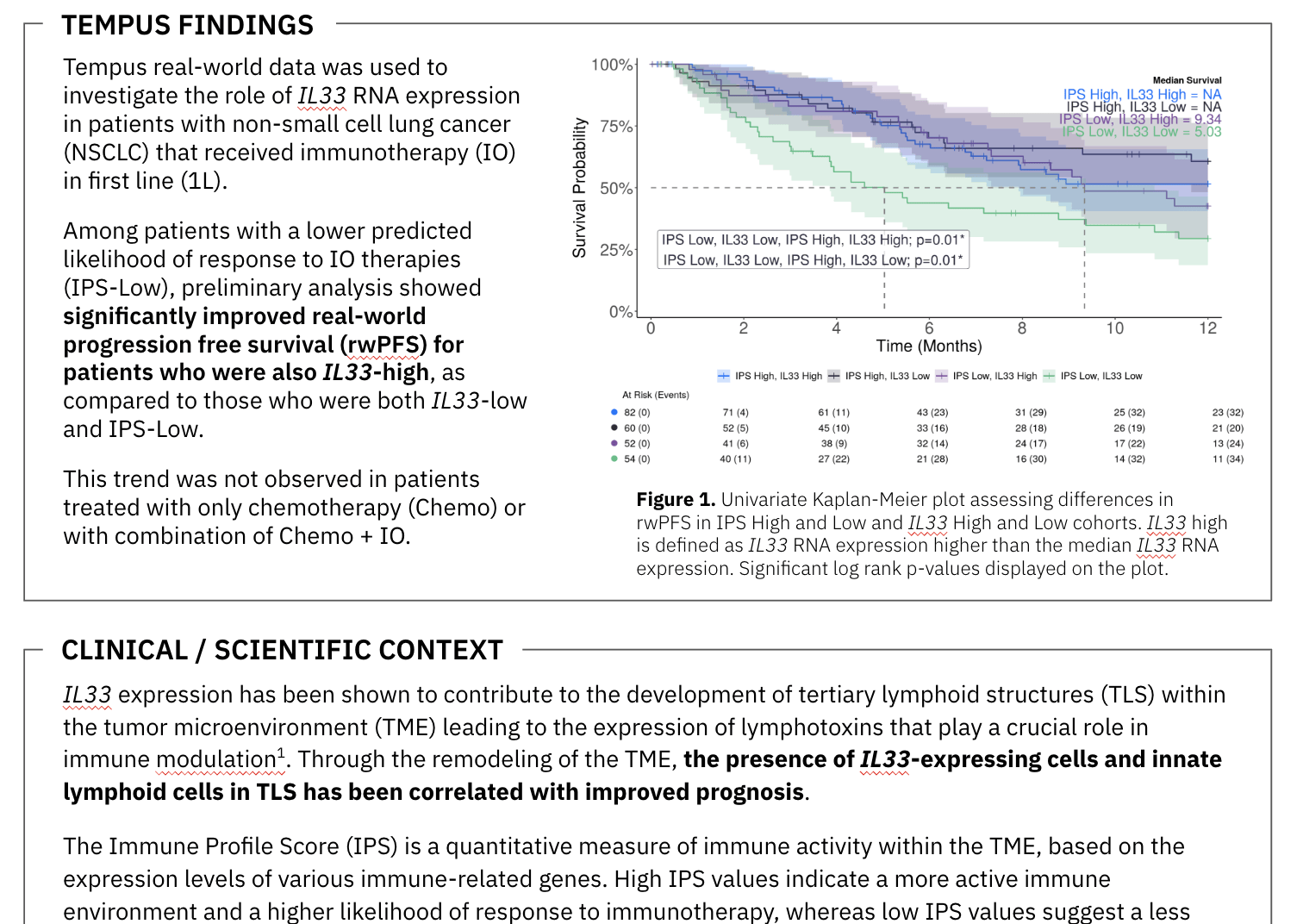
IL33 expression as a predictor of immunotherapy response in NSCLC
High IL33 levels correlate with improved survival in specific NSCLC patient cohorts.
View analysis →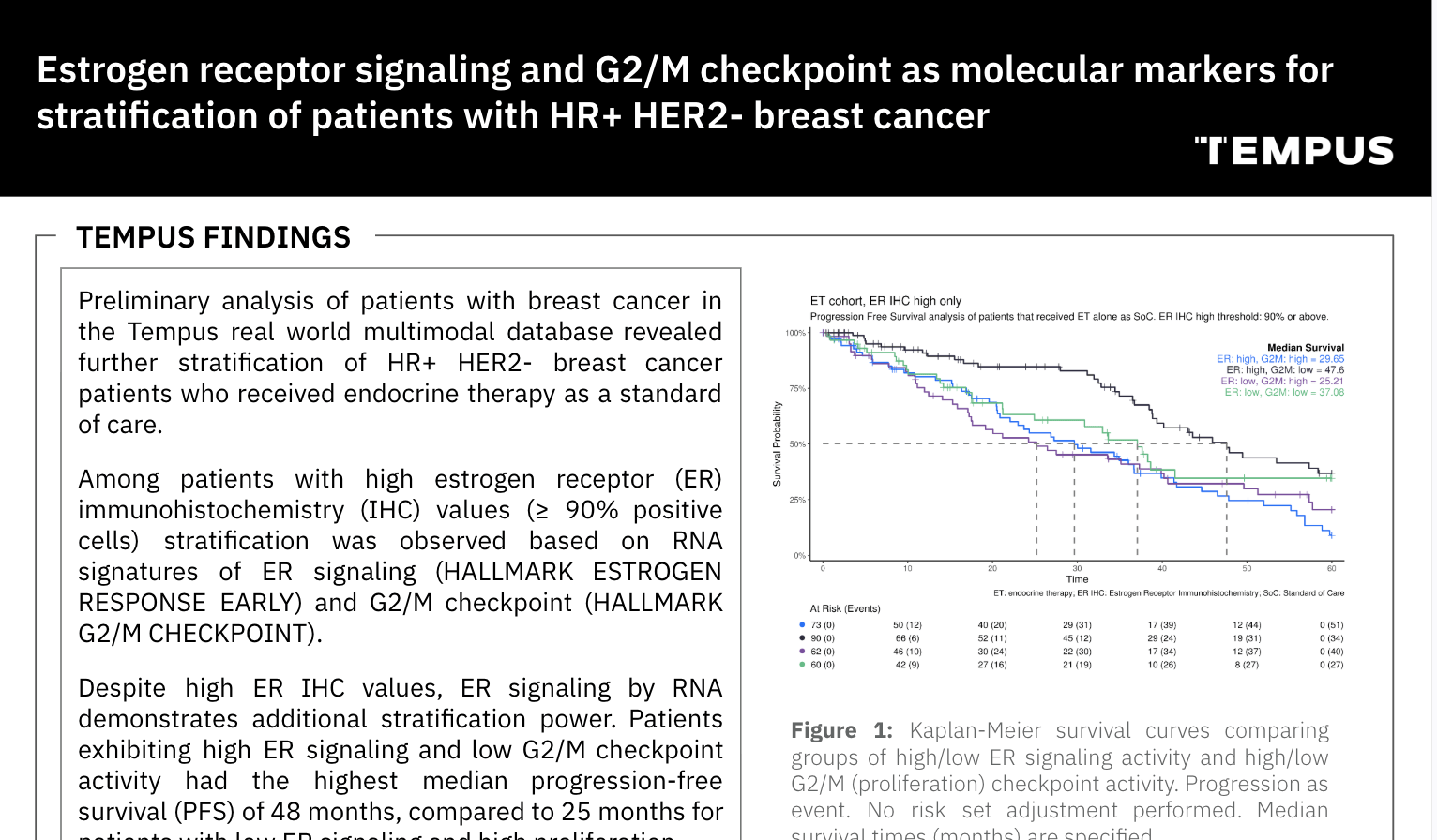
Stratifying HR+ HER2- breast cancer through ER signaling and G2/M molecular signatures
Molecular signatures improve patient stratification beyond standard IHC clinical markers.
View analysis →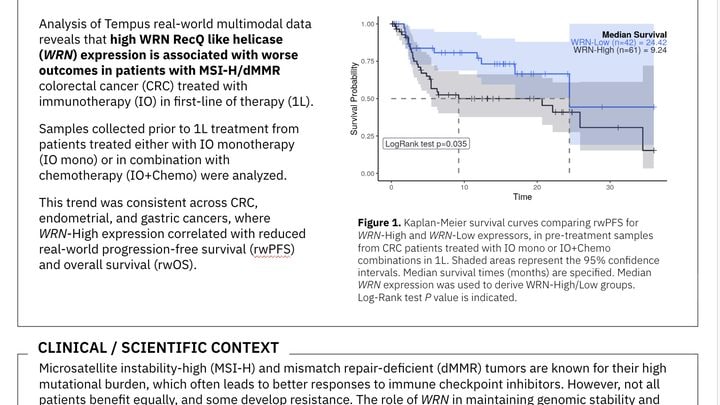
High WRN expression and immunotherapy outcomes in MSI-H/dMMR colorectal cancer
Determining the impact of WRN expression on immunotherapy response in MSI-H/dMMR CRC patients.
View analysis →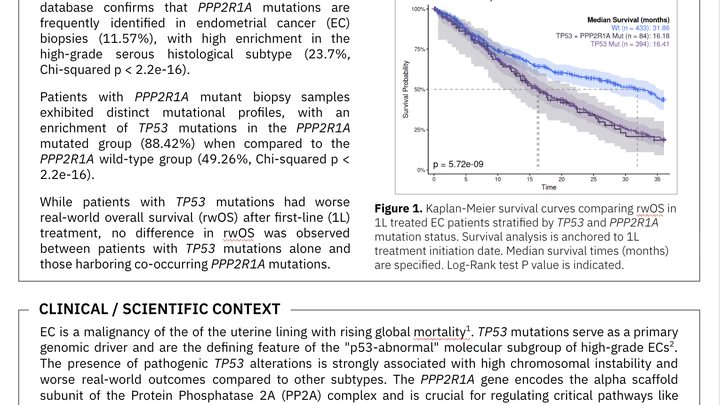
Prognostic impact of TP53 and PPP2R1A mutations in endometrial cancer
Analysis of RWD reveals survival outcomes for co-mutated endometrial cancer.
View analysis →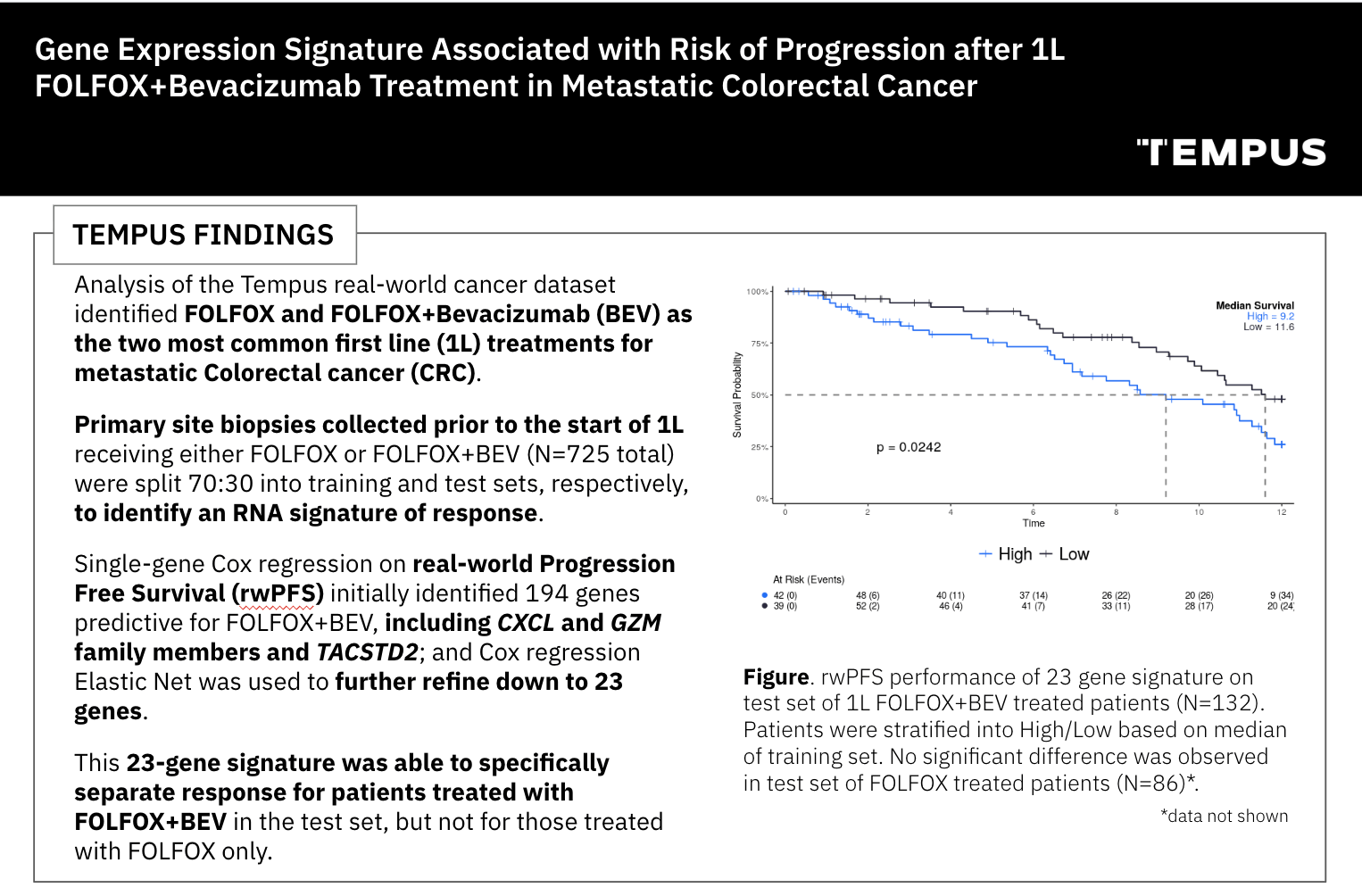
Developing a gene expression signature for first-line treatment in metastatic CRC
Tempus RWD identifies a signature predictive of bevacizumab response in CRC.
View analysis →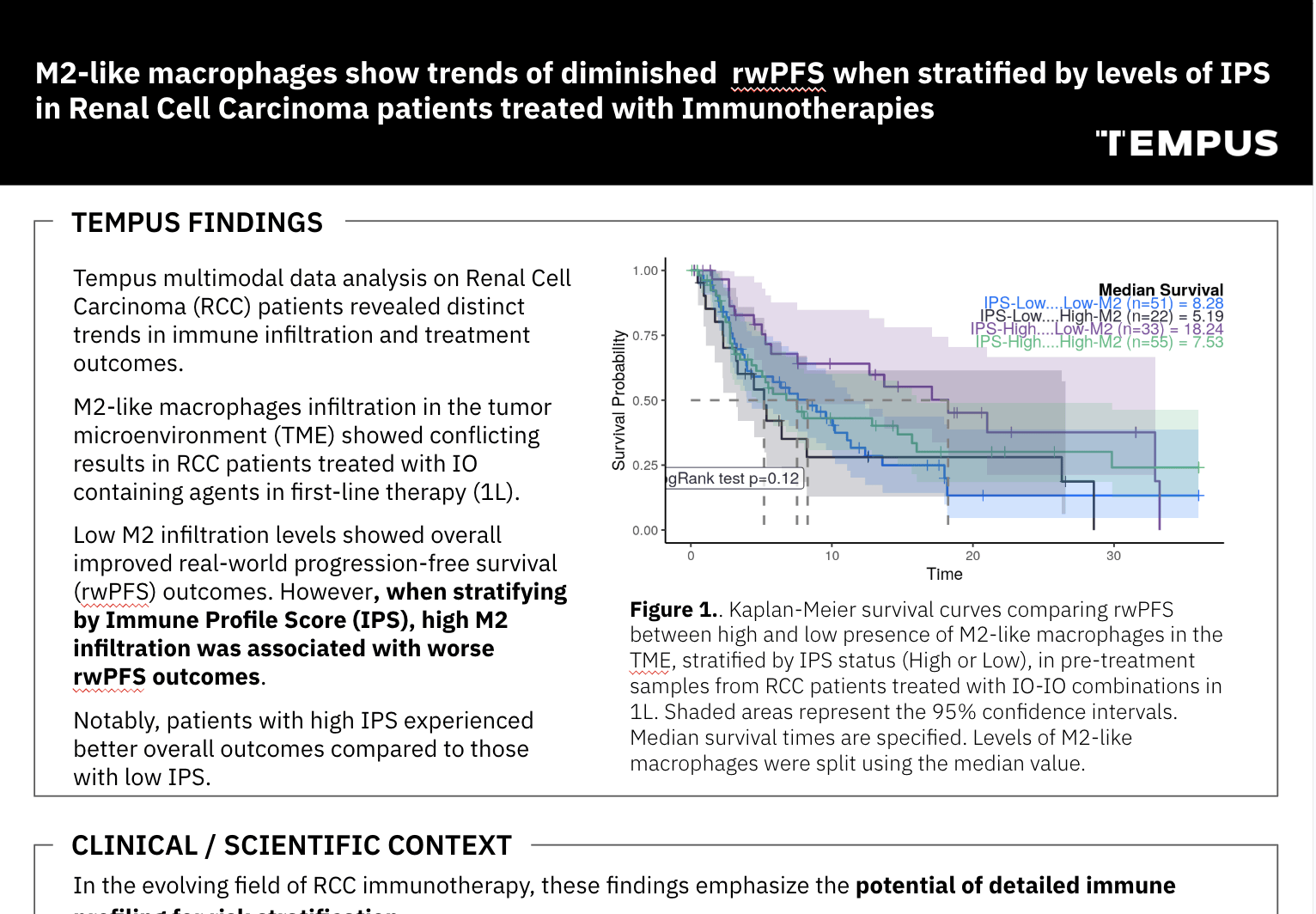
Impact of M2-like macrophage infiltration on RCC immunotherapy outcomes
Tempus Lens analysis reveals how immune profiling enhances macrophage predictive value.
View analysis →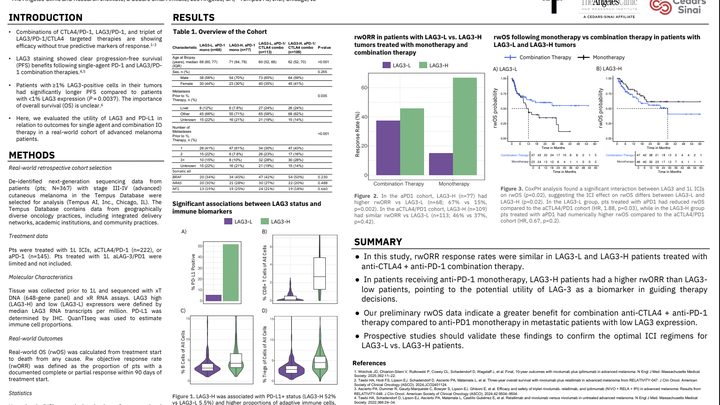
LAG3 expression as a predictive biomarker for 1L ICI in melanoma
RWD analysis shows LAG3 expression predicts outcomes to different ICI regimens in melanoma.
View analysis →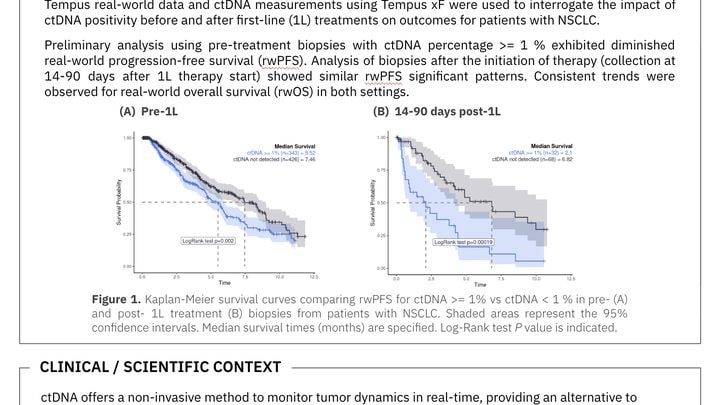
Predicting osimertinib outcomes in NSCLC using liquid biopsy RWD
ctDNA EGFR status predicts worse survival in NSCLC patients on osimertinib.
View analysis →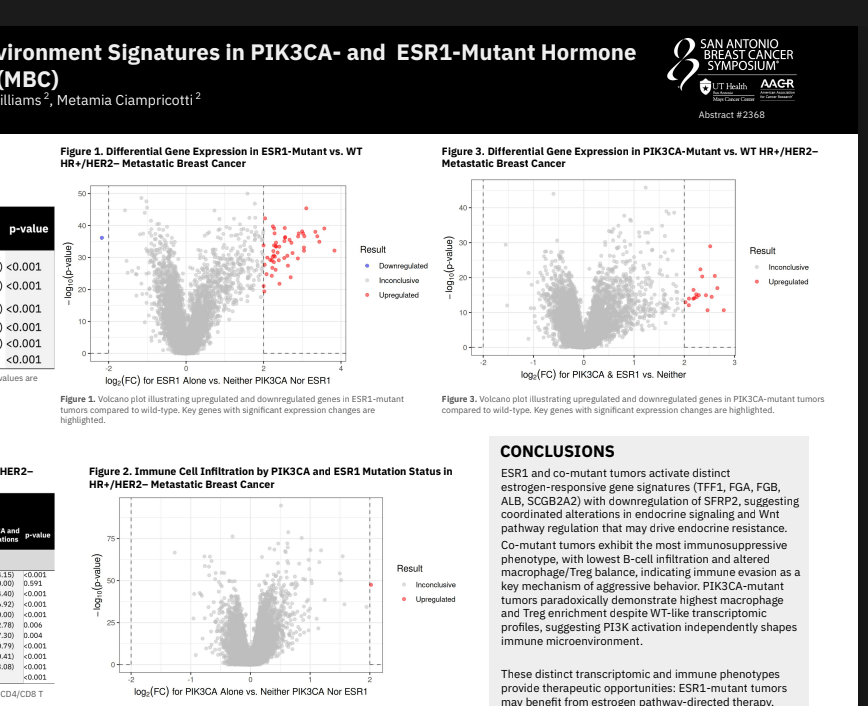
Transcriptional and immune signatures of ESR1 and PIK3CA co-mutations in HR+ MBC
Discovery of distinct immunosuppressive microenvironments to guide combination therapies.
View analysis →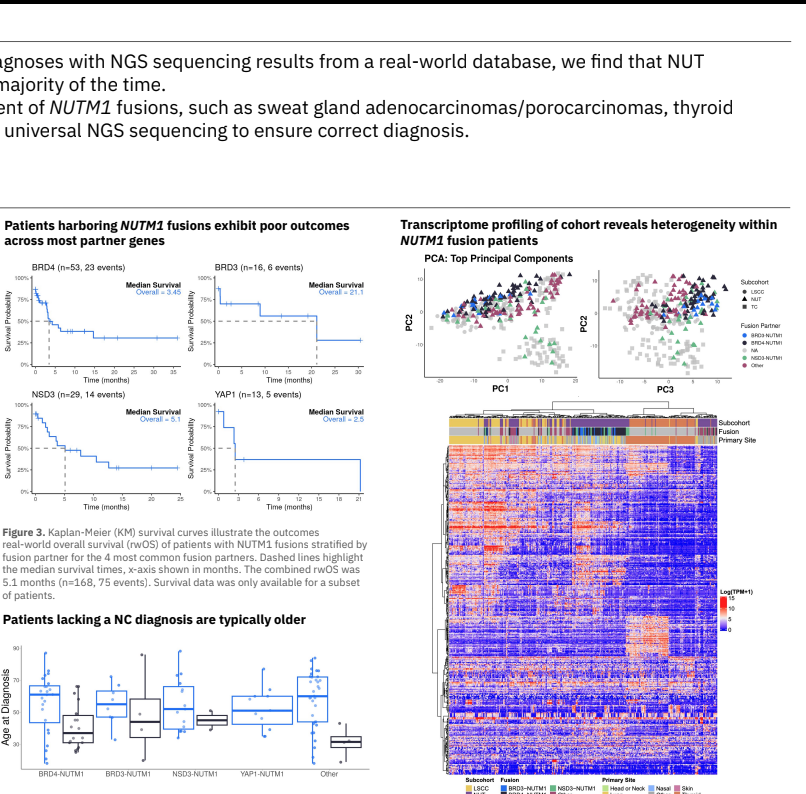
Identifying underdiagnosed NUT carcinoma with RWD
Real-world data reveals NUT carcinoma is frequently misdiagnosed, impacting outcomes.
View analysis →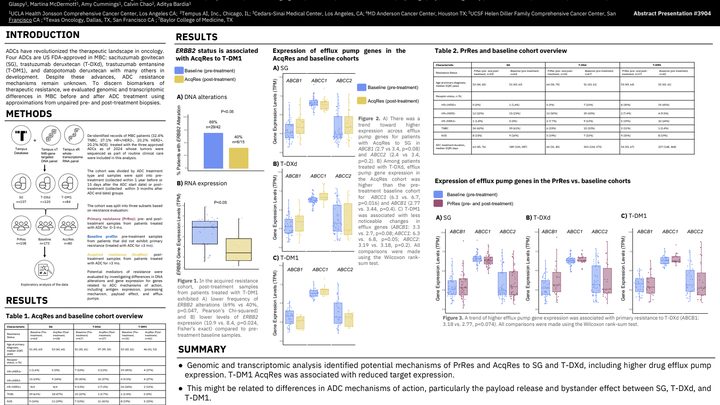
Genomic and transcriptomic mediators of ADC resistance in breast cancer
RWD analysis reveals distinct resistance mechanisms for different ADCs in metastatic breast cancer.
View analysis →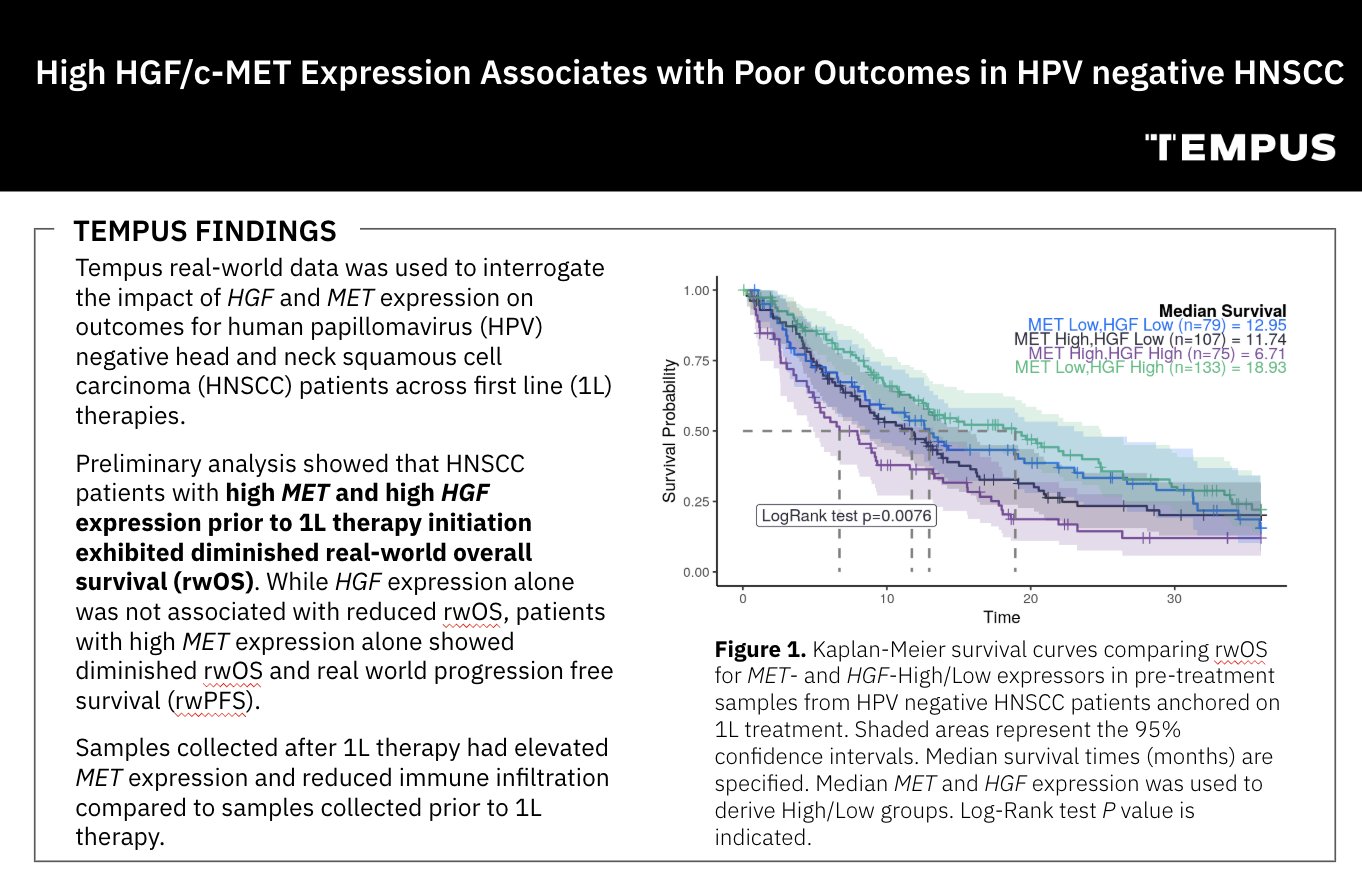
HGF and MET expression predicts survival in HPV-negative head and neck cancer
Elevated HGF and MET expression correlates with worse survival in HNSCC patients.
View analysis →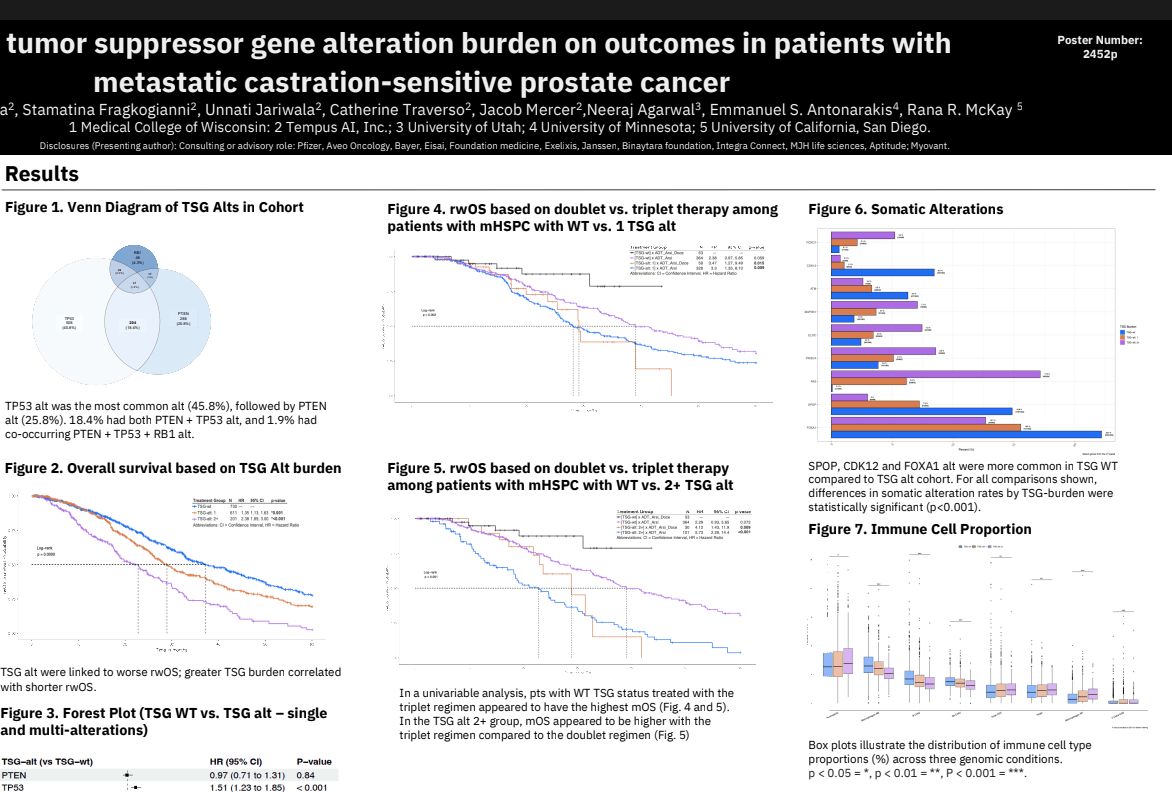
Defining high-risk mCSPC through tumor suppressor gene burden
RWD analysis quantifies the prognostic impact of TSG alterations in metastatic castration-sensitive prostate cancer.
View analysis →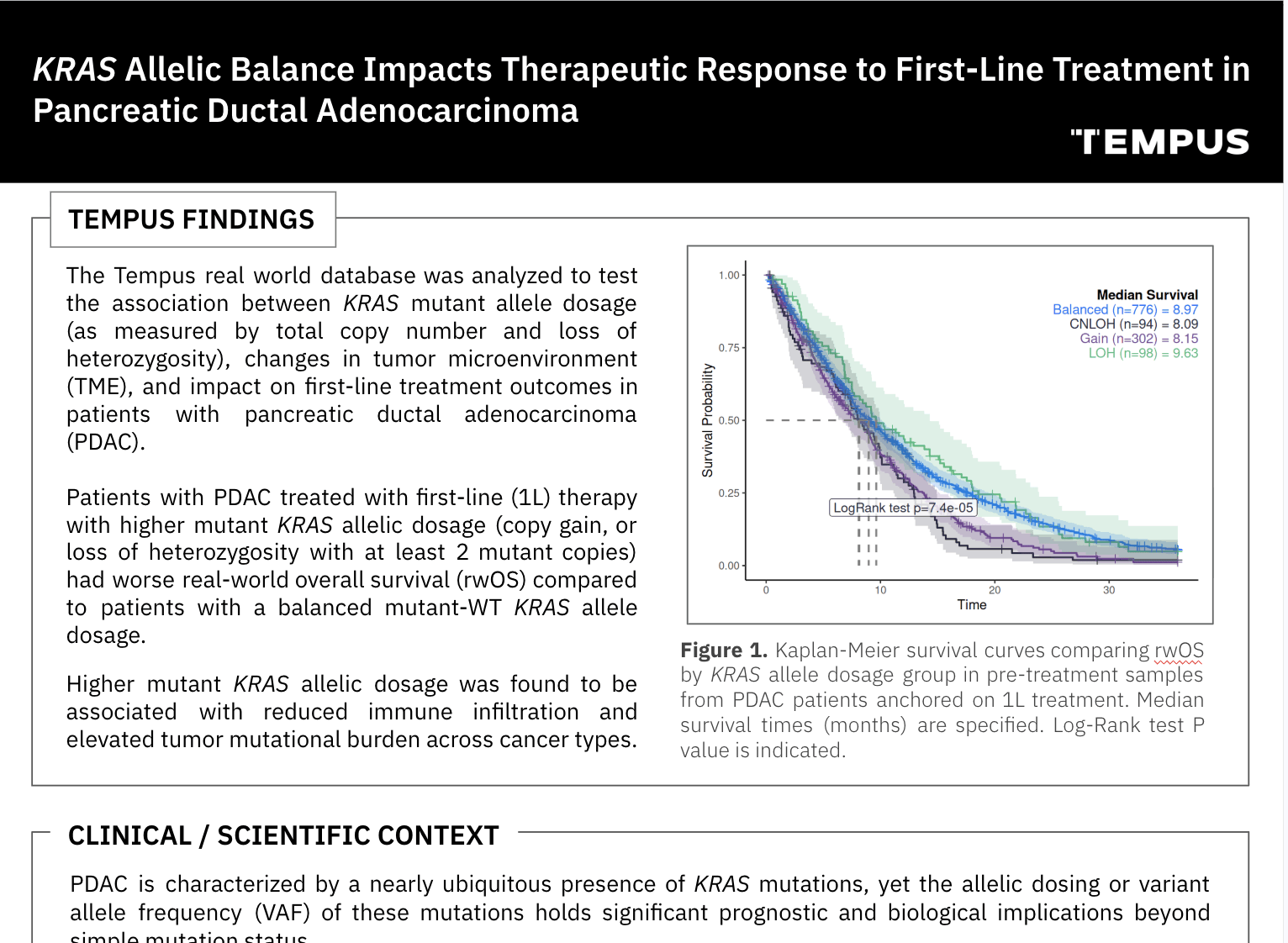
Evaluating KRAS mutant allele dosage impact on first-line PDAC outcomes
Higher mutant KRAS dosage linked to worse survival in PDAC patients treated with 1L therapy.
View analysis →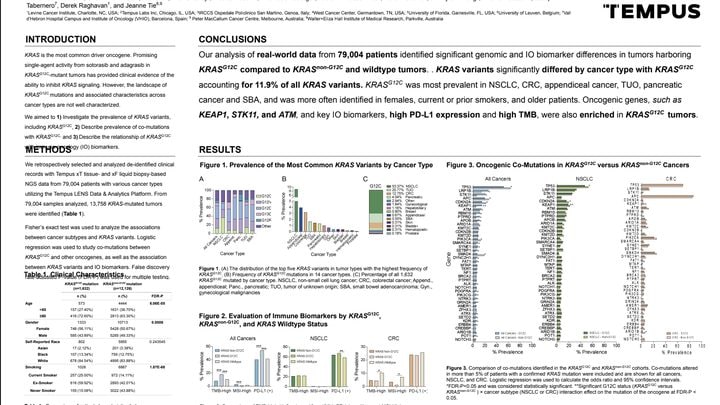
Genomic landscape of KRASG12C mutations across diverse tumor types
A large-scale RWD analysis of KRASG12C prevalence and associated biomarkers.
View analysis →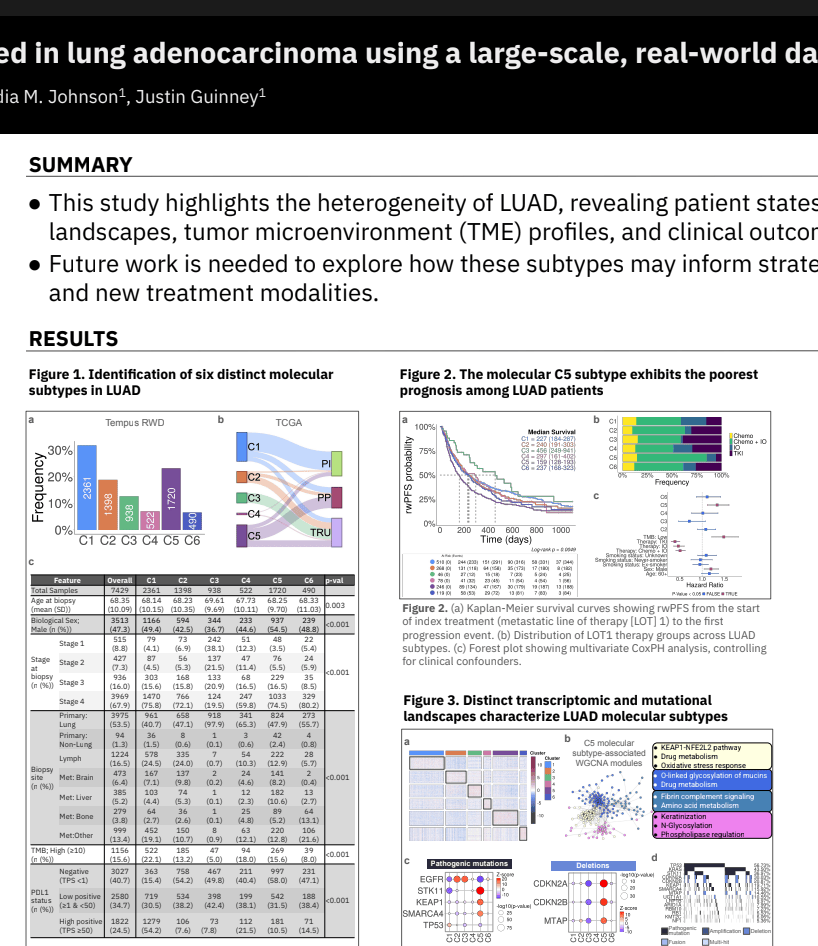
Defining high-risk LUAD subtypes with large-scale RWD
RWD analysis identifies six LUAD subtypes, including a high-risk group with poor outcomes.
View analysis →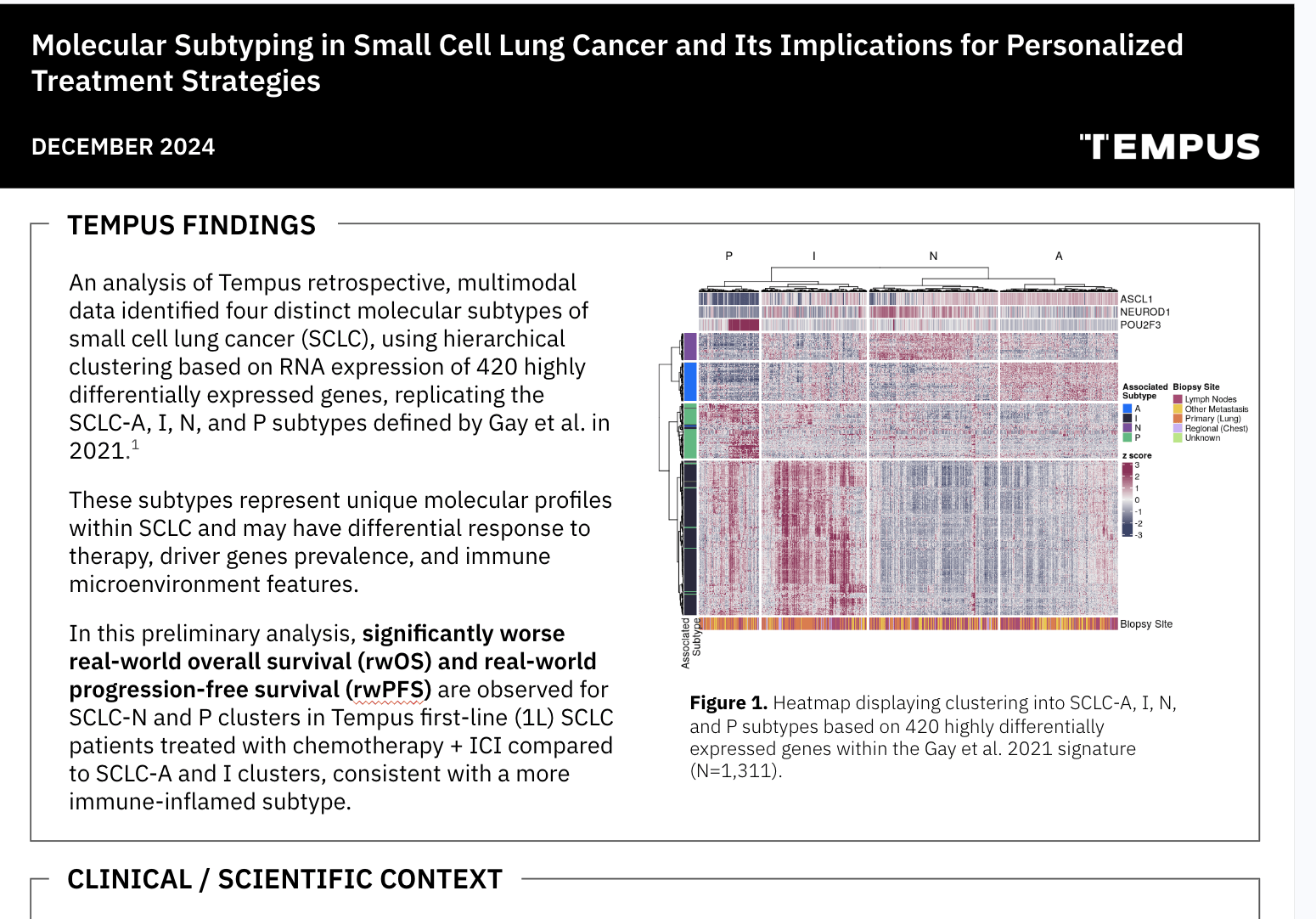
Molecular subtyping of SCLC and its implications for personalized treatment strategies
Analysis identifies distinct SCLC subtypes with differential treatment responses.
View analysis →Replace chance with evidence.
30 minutes. Bring your program. We'll show you how to reproduce any analysis in this library on your own cohorts.